PRAHRAN STORE NOW OPEN · THU–MON · 10AM–6PM

K&S - Sydney  |  SKU: HST-SHGA-GIN3-DB150

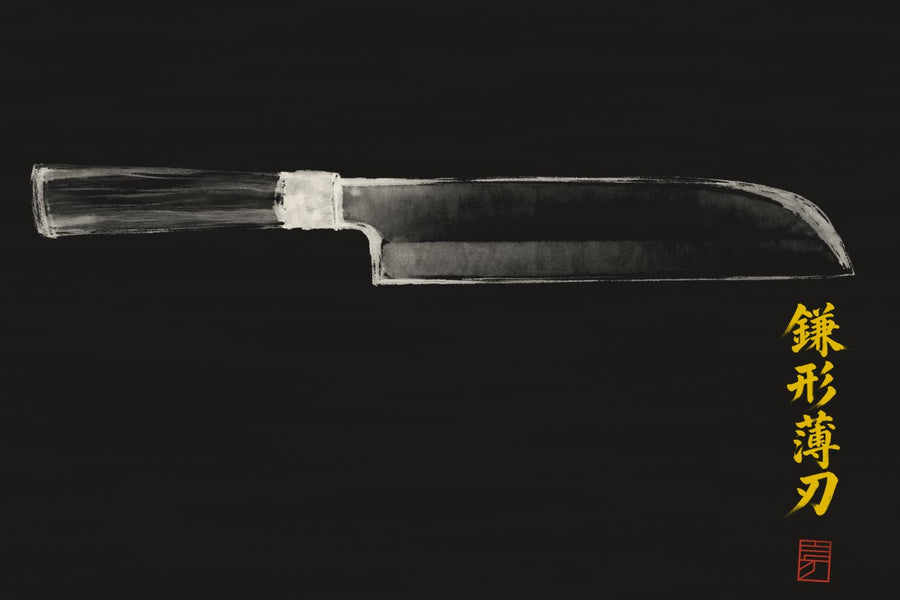
Hatsukokoro x Myojin Shirasagi Ginsan Kamagata Usuba 210mm

Regular price ₩306,000

Sold out right now

Leave your email and we’ll send one message the moment it’s back in stock.

One email, no marketing. Privacy policy.

Availability

  • St Peters, NSW —
    2 Bishop St, Unit 2, St Peters NSW 2044
  • Crows Nest, NSW —
    107 West St, Shop 1, Crows Nest NSW 2065
    Pickup only
  • Prahran, VIC —
    180 Commercial Road, Shop 1, Prahran VIC 3181
    Pickup only
Detailed Specifications
Line Hatsukokoro Shirasagi Ginsan Kasumi
Profile Kamagata Usuba / Kansai vegetable knife
Bevel Type Single Bevel
Weight 259 g | 9.1 oz
Edge Length 200 mm | 7 7/8″
Heel Height 49 mm | 1 59/64″
Width @ Heel 3.6 mm | 9/64″
Width @ Mid 3.0 mm | 1/8″
Width @ 1cm from Tip 1.7 mm | 1/16″
Steel Ginsan / Silver #3 | Stainless
Blade Construction Nimai - Stainless Clad
Hardness (HRC) 60 - 62
Surface Finish Kasumi
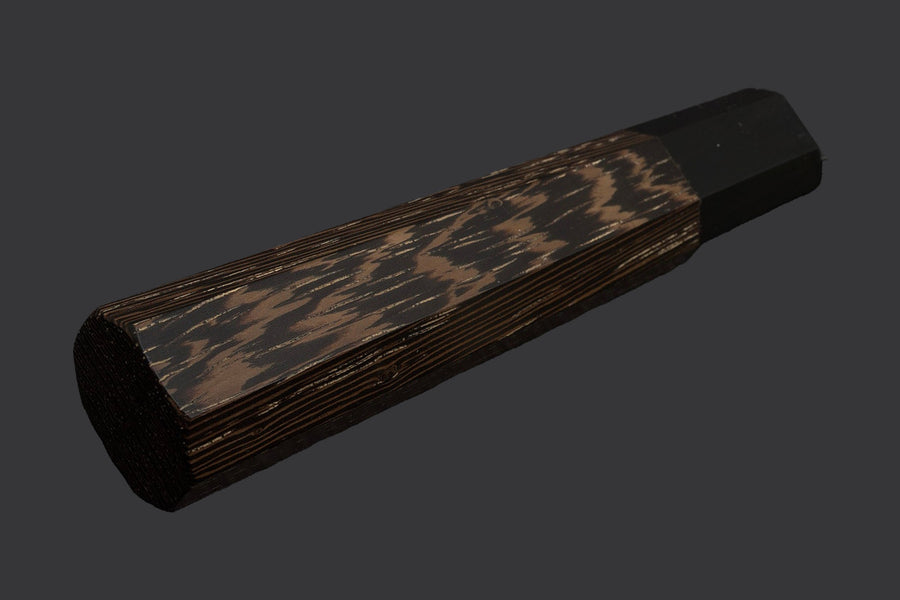
Handle Octagonal Wenge Handle Black Ferrule
Region Tosa
Best for
  • Pro chefs
  • Enthusiasts
  • Free shipping for knives over AU$200 Australia wide.
  • World-wide shipping via DHL Express, 3 to 5 days.


The Shirasagi family from Hatsukokoro contains a series of single bevel knives sharpened at Myojin Riki Seisakusho - a workshop from Kochi prefecture that is well know for its top notch sharpening and polishing. This Ginsan stainless steel line is a great complement to the existing Blue/White 2 Shirasagi, offering another low maintenance Ginsan steel Deba at a reasonable price.

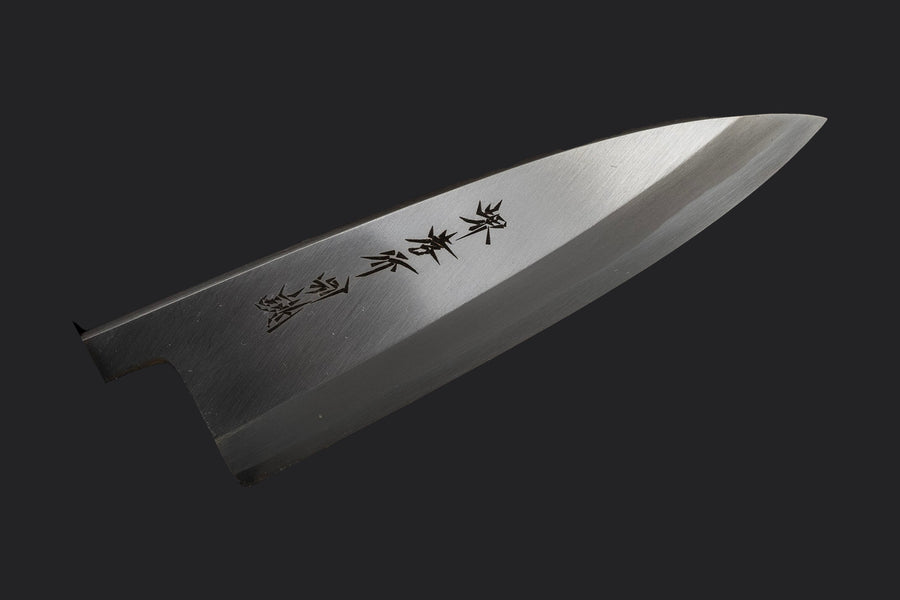
The Shirasagi Ginsan have demonstrated a consistent level of finish that we expect from Myojin Riki, the spine is well rounded, the smoothened coil and other corners fall into smoothly polished surfaces, the Migaki is done well on the Hira and the bevel have a contrasting Kasumi, with scratches oriented towards different directions to create a sharp Shinogi line. The blade is forged in a distinct Tosa manner, with curved and tapered Machi and a more round look compare to the typical Sakai counterparts.

These knives are positioned a bit lower than the Sakai Takayuki Gintan line in price, and they are very similar in terms of their features and performance. It's always good to have another option, not to mention it's a more budget friendly one in rather niche category of Ginsan Deba.

Pros Cons
  • Great for professionals
  • Easy to look after
  • Excellent fit and finish
  • Need some work on the blade
Care Instruction
  1. Don't cut hard things! Japanese knives are brittle so bone hacking is a NO NO!
  2. Wash with neutral detergent after use, and wipe dry;
  3. Please don't wash knife with dishwasher, it will damage the wood handle;
  4. Be careful not to leave the knife close to a heat source for a long time;
  5. It is a lot more dangerous to cut with a blunt knife than a sharp knife!
  6. It is best to sharpen a Japanese knife regularly on a waterstone.

Myojin Riki

Myojin Riki Seisakusho — Tosa's Sharpening Prodigy

Myojin Riki Seisakusho grew out of a forge in Susaki opened by Naohito Myojin's grandfather, who trained in Sakai; his father later established the sharpening workshop that carries the name today. Specializing in knives made from steel and iron, they've recently focused on stainless steel knives, valued for their light weight, resistance to rust, and exceptional sharpness. These knives are popular among both professionals and general consumers, partly due to their application of the "stacked steel pattern" traditionally found in swords. The second generation continues to innovate, customizing products to meet users' needs, while also contributing to cultural preservation through their involvement with local traditional performances and blade repairs.

Naohito Myojin, the second generation craftsman of Myojin Riki, has dedicated himself to continuing the legacy of his predecessor's craftsmanship in knife making. Focused on innovation while preserving traditional techniques, Naohito has made a significant mark in the field by customizing knives that not only meet the practical needs of users but also contribute to the cultural heritage through his involvement in local traditions and blade restoration efforts. His work reflects a deep commitment to quality, functionality, and the preservation of the artistry involved in Japanese knife making.

“From Sakai-trained roots in Tosa — a father-son workshop where the grind is everything.”

Known for Exceptional grinding and sharpening, tanryusen (metal flow) finish
Instagram @tetsujin_labo Read more about Myojin Riki
Myojin Riki — Tosa

Knife details

Frequently asked questions

What is Ginsan steel, and why do some Japanese knives use it?

Ginsan steel, also known as Silver #3 or G3, is a stainless steel made by Hitachi Special Steel in Japan, containing 1.02% carbon and 13.75% chromium, and it is used in Japanese knives because it combines the sharpness and ease of sharpening of carbon steel with the rust resistance of stainless steel. It is a fine-grained steel that takes a very sharp edge, and at a hardness of 60-62 HRC, it offers a practical balance of edge retention and sharpenability for everyday kitchen use.

The name "Ginsan" (銀三) literally means "silver three," referring to its Silver #3 designation. Its moderate chromium content makes it far less reactive than carbon steels, so it won't discolor or rust as quickly, while its carbon content keeps the edge keen and responsive on the stones. For home cooks and professionals who want a stainless knife that still feels like a traditional Japanese blade, Ginsan is a common middle ground.

What is the Hatsukokoro Shirasagi Ginsan Kasumi knife line, and who is it for?

The Hatsukokoro Shirasagi Ginsan Kasumi line consists of single-bevel knives made from Ginsan stainless steel and sharpened at the Myojin Riki Seisakusho workshop in Kochi, designed primarily for professional chefs and enthusiasts who want a lower-maintenance alternative to carbon steel Debas.

The flat of the blade (Hira) is polished to a Migaki finish and the bevel has a contrasting misty Kasumi finish, with the scratches set in different directions to give a crisp Shinogi line. The blades may need some initial work on arrival. The line is positioned as a practical option for those needing a reliable Deba without the high upkeep of traditional carbon steels, offering a consistent level of fit and finish on the spine and corners.

If you are looking for a specific in-stock example, the Hatsukokoro x Myojin Shirasagi Ginsan Ko Deba 120mm is available at an entry-level price, while the larger Hatsukokoro x Myojin Shirasagi Ginsan Deba 180mm sits at the higher end of the range.

You May Also Like