PRAHRAN STORE NOW OPEN · THU–MON · 10AM–6PM

Sakai Takayuki  |  SKU: ST_TOKU_UNAGI195

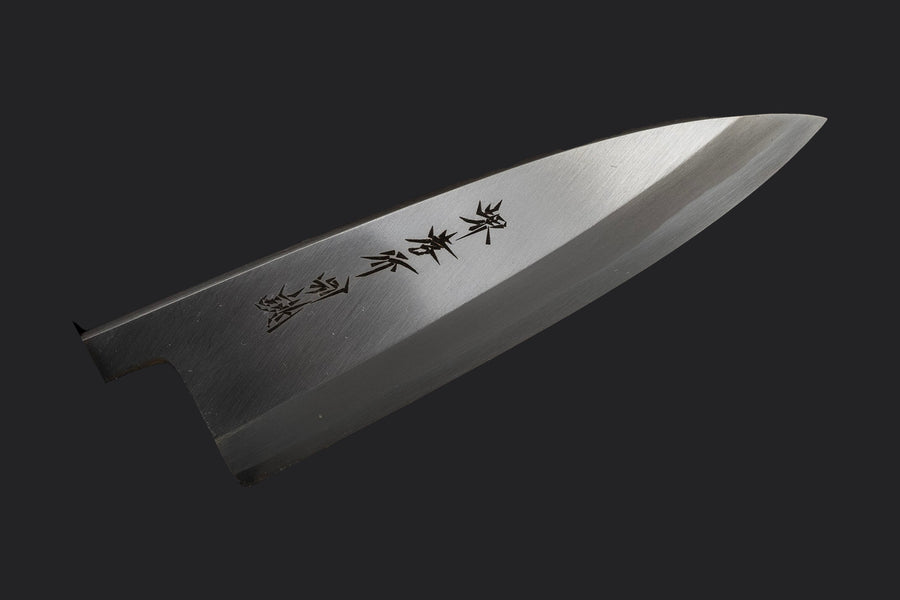
Sakai Takayuki Tokujou Unagi Saki 195 mm White 2 Carbon Steel

Regular price ₩321,000

IMPORTANT: Carbon steel knives can rust or patina quickly if not cared for properly. They require regular cleaning, drying, and oiling. If you are unfamiliar with carbon steel maintenance, we recommend choosing a stainless steel option instead.

Sold out right now

Leave your email and we’ll send one message the moment it’s back in stock.

One email, no marketing. Privacy policy.

Availability

  • St Peters, NSW —
    2 Bishop St, Unit 2, St Peters NSW 2044
  • Crows Nest, NSW —
    107 West St, Shop 1, Crows Nest NSW 2065
    Pickup only
  • Prahran, VIC —
    180 Commercial Road, Shop 1, Prahran VIC 3181
    Pickup only
Detailed Specifications
Line Sakai Takayuki Tokujou White 2
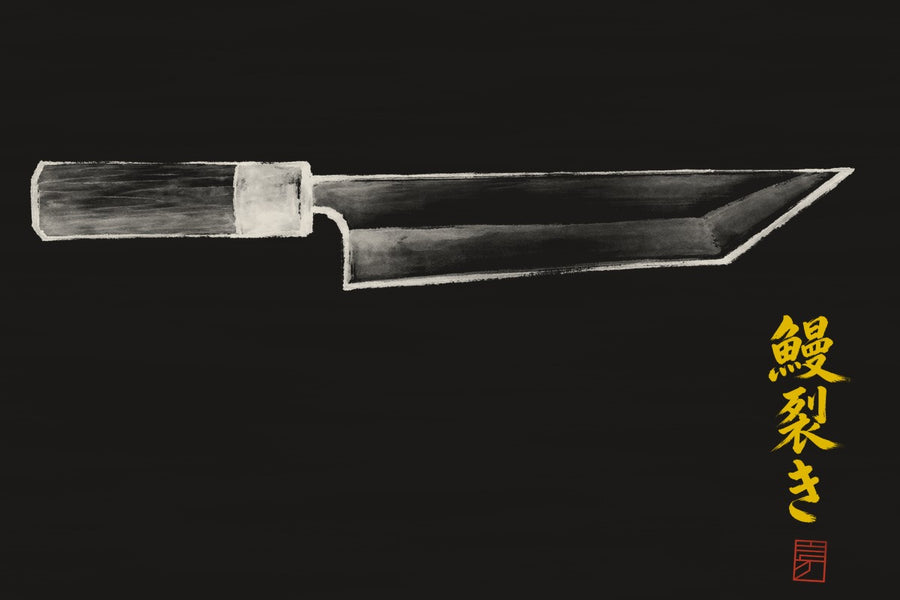
Profile Unagi Saki / Eel-splitting knife
Steel White 2 / Shirogami #2 | Carbon
Blade Construction Nimai - Soft Iron Clad
Hardness (HRC) 60 - 64
Surface Finish Kasumi
Handle
Region Sakai
Best for
  • Pro chefs
  • Enthusiasts
  • Free shipping for knives over AU$200 Australia wide.
  • World-wide shipping via DHL Express, 3 to 5 days.


The Saikai Takayuki Tokujou(特上) is Takayuki's take on the intermediate level WA honcho. It is an upgrade from all aspects compare to the more entry level Kinsei line, offering better steel, sharpening and fit and finish at an acceptable price.

The Hitachi Yasugi White #2 carbon steel is a very common blade steel in the realm of single bevel WA hocho, it can be found from the basic blade all the way up to the prestige Mt. Fuji Mizu-Honyaki Yanagiba. Saikai Takayuki have decided to pair this steel with a soft iron Nimai construction and a smooth Kasumi finish, form a line with solid performance, pleasing look and clean, polished details.

The main target of this line in my opinion would be chefs who are upgrading from a basic single bevel knife, or someone with a bigger budget looking for a better knife to start their journey with. The quality and performance of these blades allow them to handle jobs of different level confidently, and I seen no reason that it can't be used at very high end scenarios other than the lack of wow factors that comes with a thousand dollar mirror polished Honyaki.

I suggest chefs to consider this line if they are are looking for a single bevel workhorse that they can use extensively for many years, the value of these blades is decent and the profiles available within this line is very comprehensive. This is more obvious when compare with Masamoto KS line, so unless you after the legendary name, the Tokujou line would truly be the choice for professionals.

Pros Cons
  • Excellent performance
  • Excellent fit and finish
  • Great for professionals
  • Prone to rust
Care Instruction
  1. Don't cut hard things! Japanese knives are brittle so bone hacking is a NO NO!
  2. Wash with neutral detergent after use, and wipe dry;
  3. Please don't wash knife with dishwasher, it will damage the wood handle;
  4. Be careful not to leave the knife close to a heat source for a long time;
  5. It is a lot more dangerous to cut with a blunt knife than a sharp knife!
  6. It is best to sharpen a Japanese knife regularly on a waterstone.
  7. Oil the (carbon) knife if storing for an extended period of time to prevent rust.

Sakai Takayuki

Aoki Hamono, the owner of Takayuki brand, is the largest maker of Sakai.

Sakai is the largest knife making region of professional single bevel knives, with over 600 years of knife making history. Sakai Takayuki stands out as the largest brand in the region. These knives, celebrated for their precision slicing and unparalleled sharpness, cater to professional chefs and culinary enthusiasts who demand the highest quality. At the heart of Sakai Takayuki's operations is the Sanbo Factory, a dedicated hand forge knife plant. Contrary to the notion of it being a place of innovation, the Sanbo Factory is focused on the traditional art of knife-making, where skilled artisans employ time-honored techniques to create knives that are both functional and beautiful.

Adding to the brand's allure are collaborations with famed Sakai craftsmen like Itsuo Doi, who works exclusively for Sakai Takayuki. Doi's contributions exemplify the brand's commitment to maintaining the highest standards of craftsmanship.

“The undisputed leader of Sakai makers. ”

Est. 1947 | 昭和22年
Known for Classic Sakai knives, unique engraving.
Website aoki-hamono.co.jp Instagram @sakaitakayuki_knife_gallery Read more about Sakai Takayuki
Sakai Takayuki — Sakai

Knife details

Frequently asked questions

Shirogami 1 vs shirogami 2 — what is the difference?

Shirogami 1 (White 1) has a higher carbon content than Shirogami 2 (White 2), roughly 1.3% vs 1.1%, making it the purer carbon steel and the one some craftsmen still regard as the best, though in practice the two have become harder to distinguish as modern metallurgy has made both quite pure.

White 2 (Shirogami #2) has about 1.1% carbon and a hardness range of 60-64 HRC; White 1 sits around 1.3% carbon. That 0.2% difference is the core spec gap. More carbon generally means you can push hardness higher and hold a keener edge, but it also makes the steel more brittle and less forgiving. White 2 trades a bit of that potential peak sharpness for slightly better toughness and ease of sharpening.

Shirogami 1 carries a certain prestige. Sukenari's Nobuo Hanaki once told me directly that they only use White 1 for their mizu-honyaki because it is the pure form of carbon steel, it carries that halo. Among traditional smiths, White 1 is still spoken of as the benchmark. That said, in recent years the improvement in metallurgical manufacturing has narrowed the real-world gap. The rumor is that both grades are now so pure that separating them in practice is no longer straightforward. I've also heard that Hitachi has stopped producing White 1, though I can't confirm that.

You May Also Like